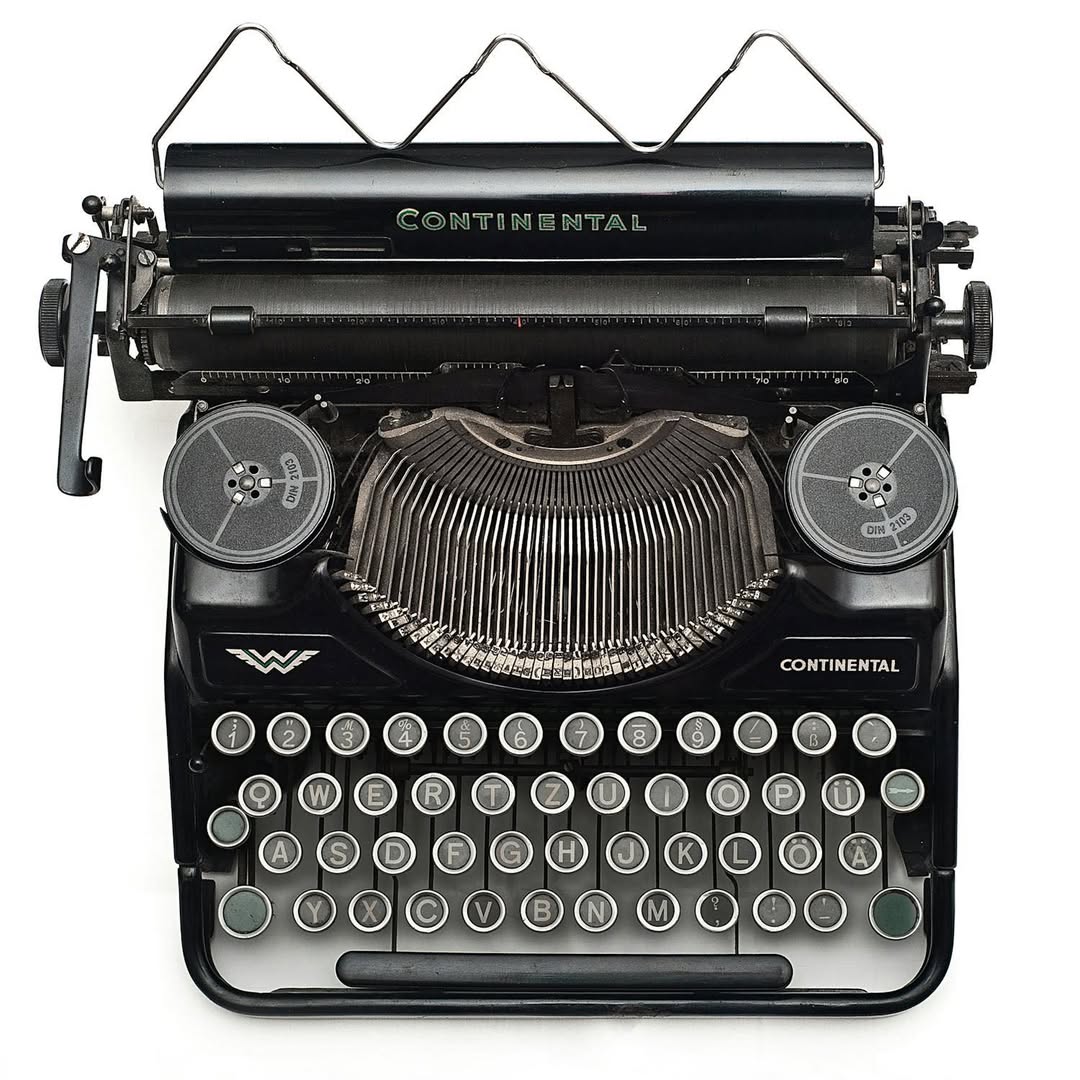
The book is out now. That sentence feels strange to write. For months, maybe longer if I’m being honest, this thing lived as a stack of drafts on my laptop, a folder full of half-finished definitions, late-night notes, and the occasional paragraph written when the house was quiet and the brain finally unclenched. Now it’s sitting on Amazon like a real object in the world, which is both thrilling and mildly terrifying in the way stepping onto a stage feels right before the lights come on.
To buy your copy, go here.
There’s relief in it. Real relief. Finishing something is its own small miracle these days. Anyone who’s tried to build something from scratch knows the middle is where most ideas die. The middle is where doubt shows up with a clipboard and starts asking questions. Who asked for this? Why you? Why now? The middle is where you discover how many other things would be easier to do than keep going. But eventually the words pile up enough that they start looking like a structure instead of a mess, and one day you realize the thing might actually be finished.
That moment happened with Word Grit. And I’ll admit something that doesn’t show up on most book launch pages: I’m excited, yes, but I’m also nervous in the most human way possible. When you release a book like this, you’re not just publishing pages. You’re publishing the things that helped you stay upright when the floor got slippery. That’s a strange offering to hand to the world. It feels a little like leaving your toolbox on a park bench and hoping someone who needs it finds it before it rains.
The idea behind the book is simple enough. Most people walking around today are carrying feelings they can’t quite name. Confusion that doesn’t have a clean label. Anger that doesn’t fit into a neat little motivational quote. Shame that lives somewhere below the surface where language hasn’t quite reached yet. When you can’t name what you feel, it runs the show. It whispers in the background and starts writing your decisions for you.
Language changes that. Words give shape to the fog. Once you have a word for something, you can look at it. Turn it around. Measure it. Decide whether you want to keep carrying it or set it down. That’s the quiet power behind a daily reader like this. It isn’t therapy and it isn’t self-help in the glossy, sugar-coated sense. It’s more like a daily moment of clarity. One word. One feeling. One small piece of truth that nudges you forward another inch.
Every entry in the book is built around that idea. A word. A definition that cuts through the noise. A small story or reflection that shows what the concept looks like in real life. And then a final landing statement that plants your feet on the ground again. The rhythm matters. Read a page, think about it for a minute, and move on with your day carrying one more tool than you had yesterday. Over time those tools start forming a structure.
And that structure matters more than people realize. If you build a vocabulary around what you’re experiencing, you stop drifting through it like wreckage in a storm. You start seeing the beams and joints of your own life. You recognize the patterns. You see where integrity fits. Where detachment belongs. Where resilience quietly enters the room when things look hopeless. You stop being a passenger.
That’s the heart of the book, really. Not inspiration. Not hype. Architecture. A way of building a life one concept at a time until the structure starts holding its own weight.
Writing it forced me to confront a lot of the same ideas personally. There were days when I’d write a definition and realize I was still wrestling with the concept myself. Other days I’d land on a word that perfectly described something I had felt years ago but never managed to articulate. Those moments felt like finding an old map tucked into a drawer you forgot you had. Suddenly the road behind you made more sense.
So yes, the book is available now, and saying that brings a strange mixture of calm and adrenaline. Relief that the thing is finished. Excitement that it might help someone out there who’s feeling stuck in the fog. Nervousness because once something leaves your desk it becomes part of the wider conversation, and the world gets a vote.
But that’s the deal with building anything worth building. At some point you have to put the bricks down and step back from the wall.
If the idea behind this book resonates with you, you can find it on Amazon now. And if you’re someone who has ever felt like your life was collapsing into a pile of unnamed emotions, I hope the pages help you do one simple thing.
Name them.
Because once you can name what you feel, you stop being its victim.
And once you understand the concepts that shape a life, you stop seeing yourself as the wreckage.
You start seeing yourself as the architect.
